- Date
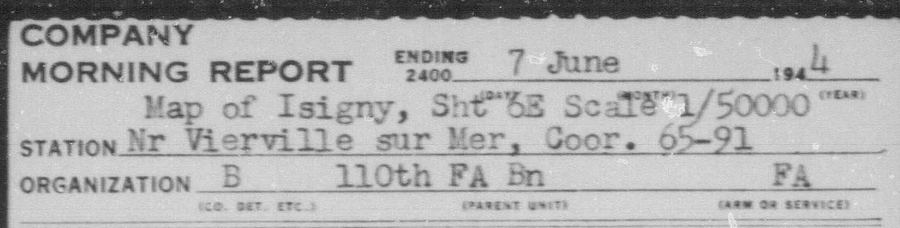
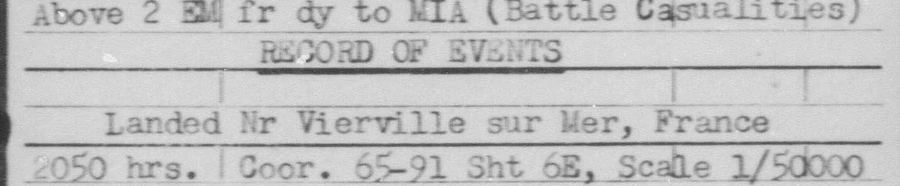
- 7 June 1944
- Station
- Nr Vierville sur Mer
- Unit
- Btry B, 110th FA Bn
Morning Reports
Day by day
Each company’s daily report: who joined, who was wounded, missing or killed, and where the unit was that day.
Search the U.S. Army’s own Second World War records by service number or by name. Every result points to the original document at the National Archives.
A service number on its own is enough; a name helps when the number is unknown or was misread. Searching is free. Opening a record needs a free account.
Searches 9.2 million enlistment records, 6.5 million hospital admission cards, 143,000 POW records and the Morning Reports.
Each answer is a real record from the National Archives, shown with where it comes from, so you can check it yourself.
Day by day
Each company’s daily report: who joined, who was wounded, missing or killed, and where the unit was that day.
9.2 million records
When and where a man joined the Army, his serial number, branch and grade, and the civilian life he came from.
6.5 million cards
Wounds, injuries and illnesses as the Army Medical Department recorded them, from admission to discharge.
143,000 records
Americans held prisoner: where they were captured, the camp that held them, and whether they came home.
The Accounted follows the route a historian takes by hand, one record leading to the next.
Name, service number, unit, dates, letters and photographs from the family.
The daily company reports trace his service, day by day.
After-action reports and unit histories show what was happening around him.
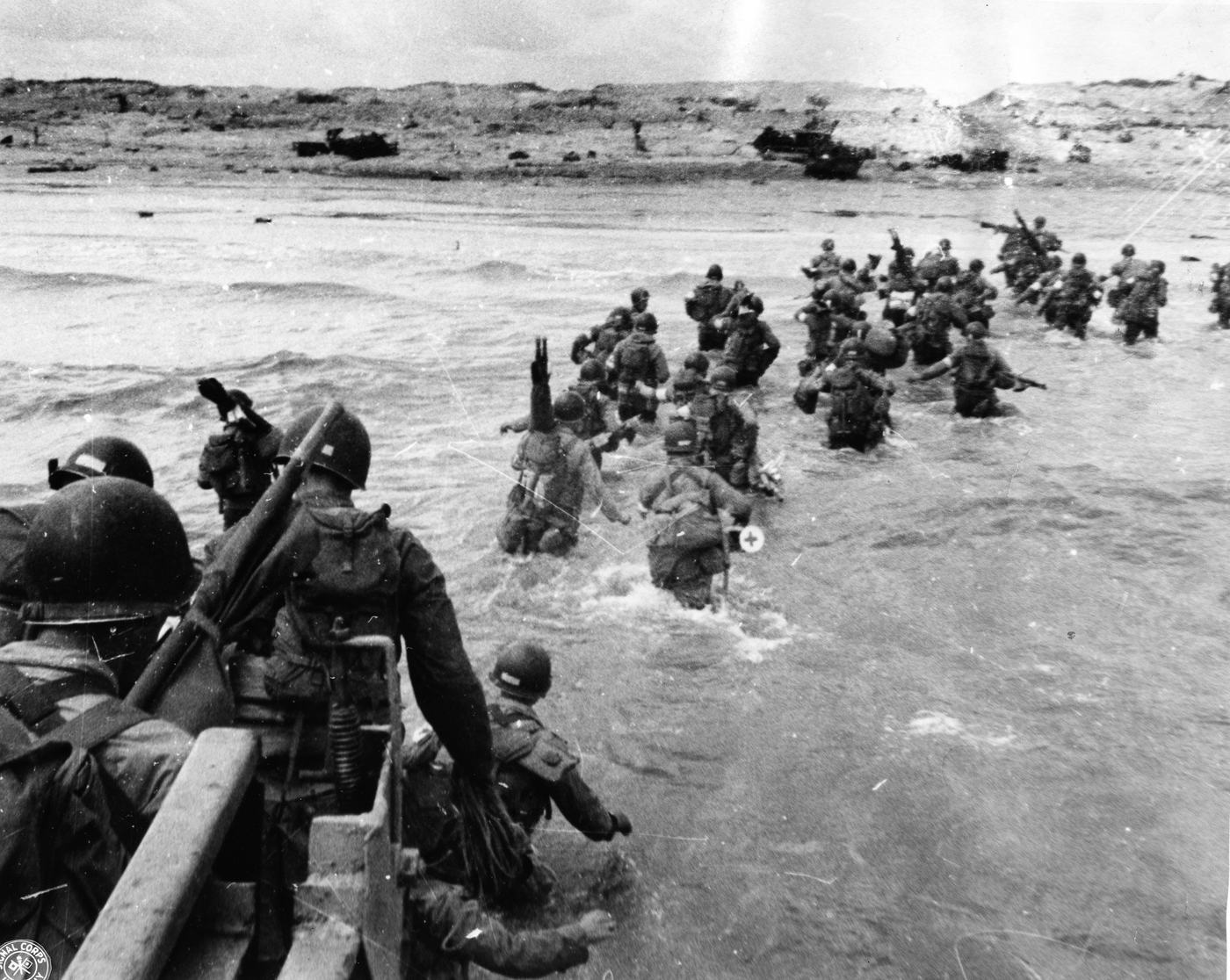
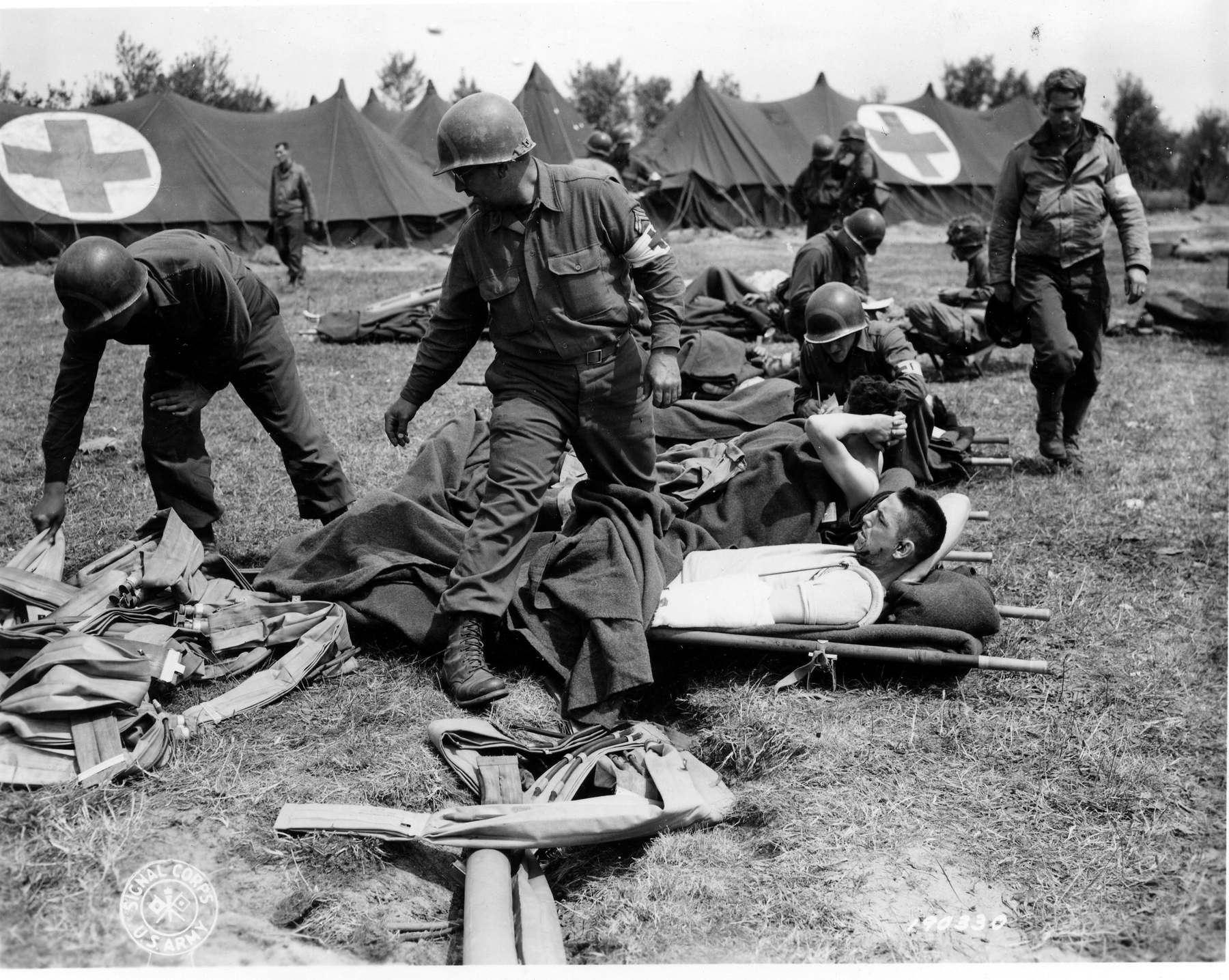
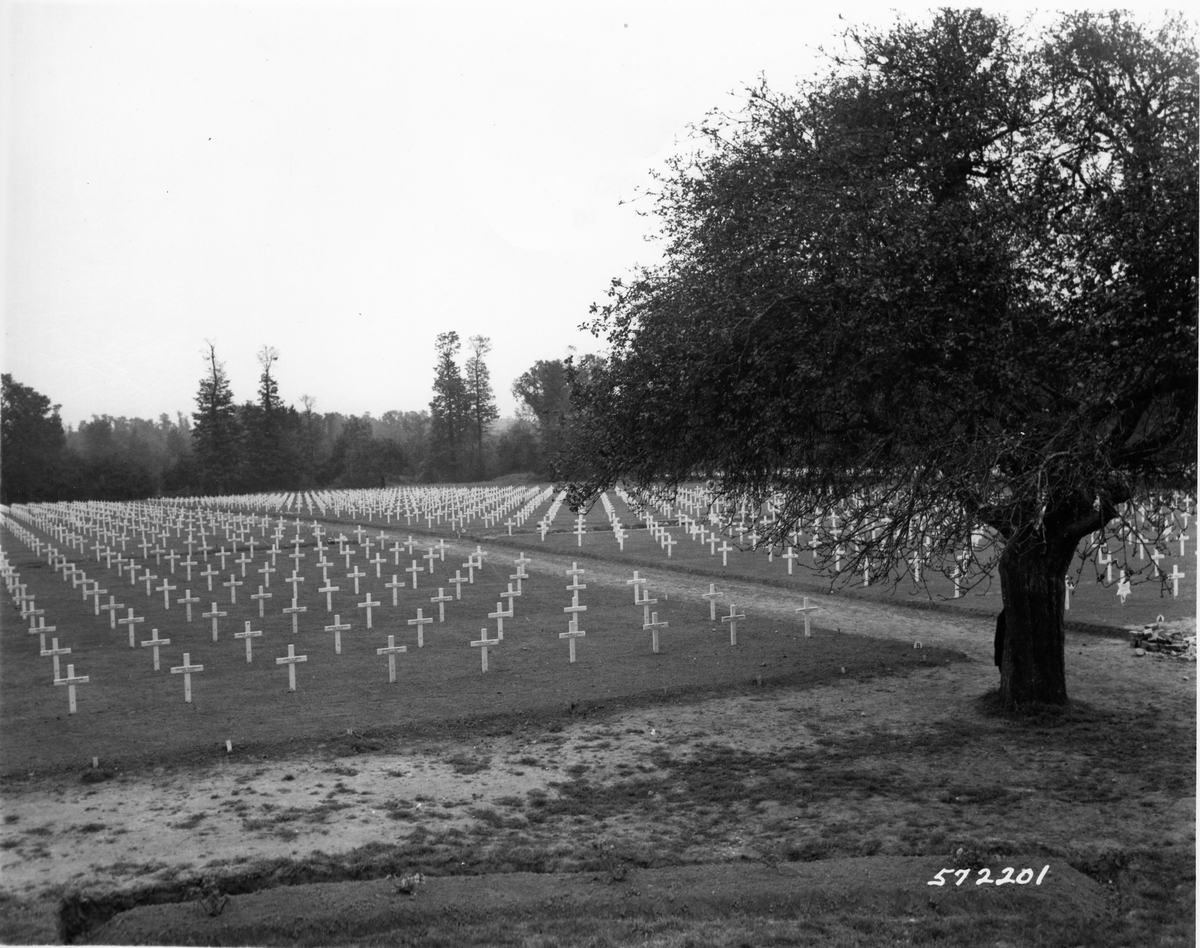
Signal Corps photographs of his unit, his town, the ground he crossed.
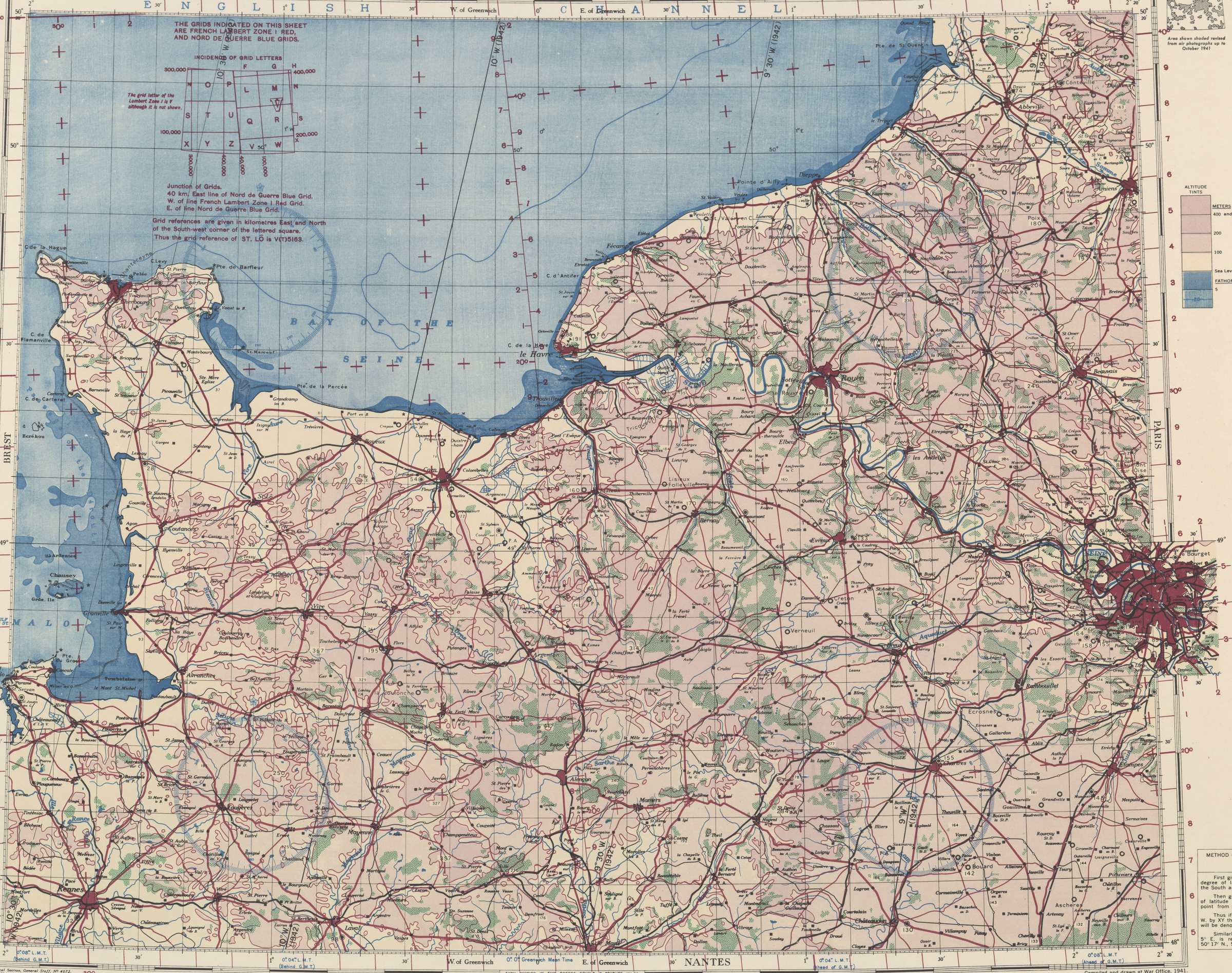
Wartime maps lined up with today’s satellite imagery, down to the position.
Stand where it happened, knowing exactly where to look.
The Dashboard keeps a soldier’s research together: every record, document and photograph, each with its source.
A profile for each man, with his service history, his units and every source behind them.
New matches in the Morning Reports and other collections, found by his service number.
Browse the Morning Reports unit by unit and month by month, and save pages to your archive.
Events in order, and wartime maps lined up over the ground as it looks today.
Documents and photographs in folders, linked to the soldiers and projects they belong to.
Invite other researchers to a case, and publish a soldier’s story as a public page when it’s ready.
An interactive map of the American soldiers killed at Omaha Beach in the Normandy landings. Each soldier links to his casualty records, Signal Corps photographs and the original archival sources.
Open the KIA mapThe Accounted is open and free for everyone during the launch. Almost everything stays free after that: searching the records, your soldiers, research projects, timelines and maps. Optional paid plans add extras for researchers who need more.
Nobody is ever charged without choosing a plan themselves, and free accounts keep all their work.
Choose a plan before February 1, 2027 and keep the early-bird price for as long as your subscription runs without a break: Researcher €5 a month, Researcher Plus €16 and Professional €89, or yearly for less. Researcher is not charged until January 1, 2027; Researcher Plus and Professional start straight away and are paid at checkout.
Already have an account? Choose a plan in the Dashboard, under Settings › Plan.
The Accounted is built by an independent historian in the Netherlands, directly from Morning Reports, after-action reports, Graves Registration burial records and other holdings of the U.S. National Archives. Not from secondhand accounts, and not from guesswork. It documents American soldiers across infantry and airborne divisions that fought through Normandy and beyond, with unit movements traced day by day. The database keeps growing.
Genealogy platforms have done real work digitizing military records, and placed most of it behind a paywall. The Accounted is the free alternative for the core of what matters: finding a name, and seeing the record behind it.